


Written by
Published on
Nina's story
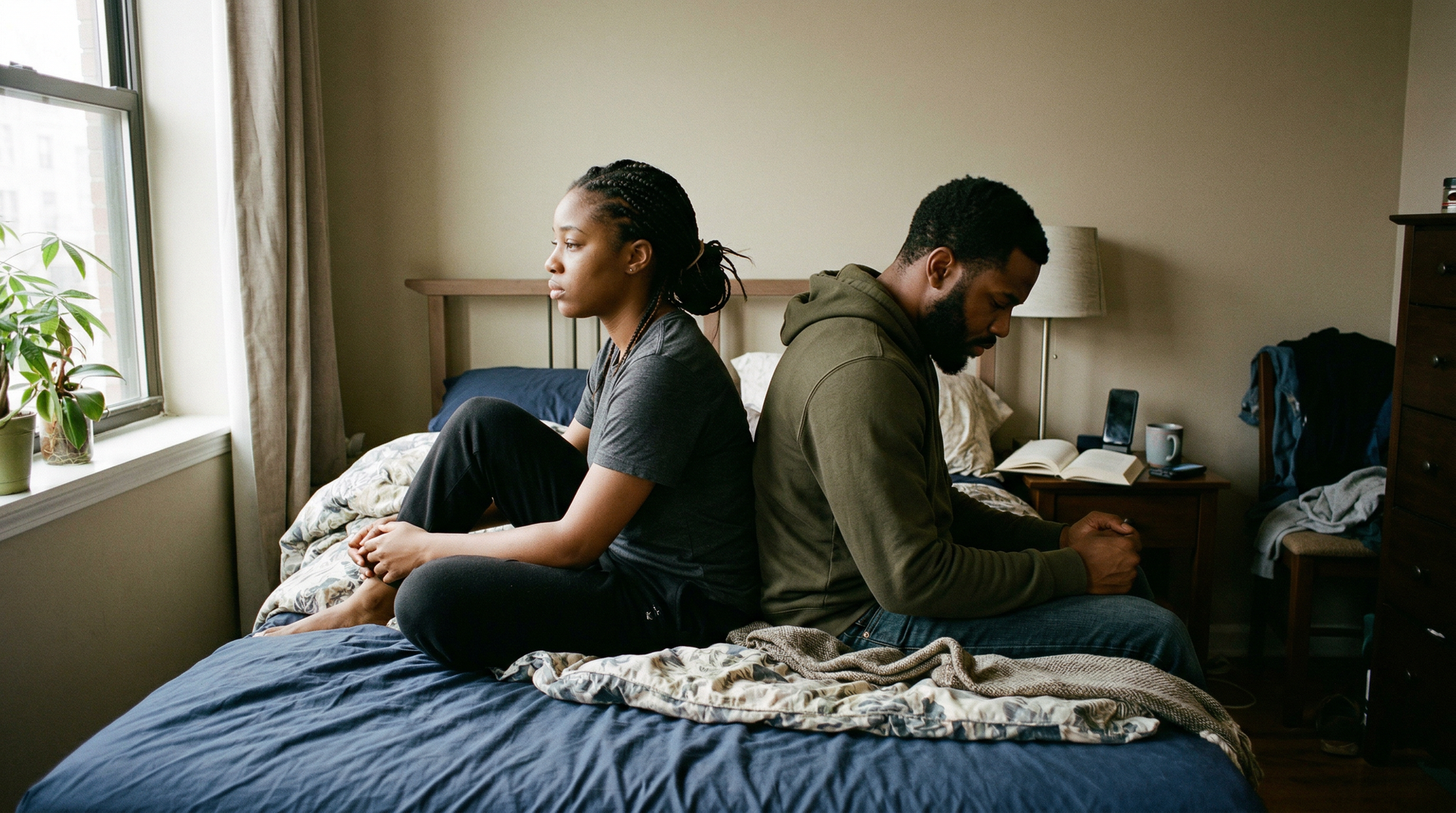
Nina looked at her hands. They wouldn’t stop shaking, no matter how many times she told herself to “pull it together.” Her head hurt. John was talking, but the words weren’t landing. The voice in her head was screaming, “Your life is over. We’re pregnant.” The timing was all wrong. This was not the plan.
John felt weak. “Pregnant… Jeeze.” The word was bouncing around his brain like a grenade seconds before exploding. “Don’t be a jerk,” his heart scolded. “But we aren’t ready for this. I can’t believe this is happening.” He sighed deeply. “I just can’t be a dad. This wasn’t how things were supposed to go.”
Nina turned back in and saw John pacing back and forth across their tiny apartment. Her thoughts were all over the place. “I always wanted to be a mother and have a family. I really love John. I’m so afraid. I am not ready for this. What do I really want? What does John really want? I don’t want to saddle him with something he doesn’t want.”
Suddenly John paused his endless pacing and came over to Nina. His eyes focused on her. She looked up, hopeful and pleading that he would tell her it would all be okay. That maybe they could be good parents. Or that he would be there for her in whatever came next. All the while silently telegraphing, “Please just tell me what to do.”
John began, “You know I love you, right? And even though this wasn’t the plan… whatever you decide, I’ll support you.”
The dam broke. The tears came despite her will. Everything faded. Nina’s heart whispered,
“You’re on your own.”
You're not alone
Nearly half of pregnancies in the United States are unintended. A study published in the CMA Journal found that of 1,500 participants, 56% of pregnancies were unplanned. Fast forward to 2019, and—according to the U.S. Centers for Disease Control and Prevention (CDC)—41.6% of all pregnancies in the United States were unintended.
But statistics don’t tell the whole story.

But what about relationships? How do you navigate the profound mix of emotions that can range from connection through shared grief or relief to eroding trust and bitterness when facing an unintended pregnancy? The impact of an unintended pregnancy and abortion can vary from person to person and look very different from one relationship to the next.
Make room for reactions
When the weight of an unplanned pregnancy settles in, there are a host of reactions and responses people experience. These reactions often fall along emotional and practical distinctions.
Emotional responses
- Fear and dread
- Grief and sadness
- Guilt and shame
- Relief or ambivalence
- Peace or contentment
- Happiness and excitement
Logical and practical responses
- Financial limitations
- Housing or geographic stability
- Age, stage of life, and maturity
- Pre-existing children or previous pregnancy losses
- Past conversations about family and the future
- Available family or social support
- Religious, societal, and cultural pressures
- The health of the relationship before the pregnancy
- Physical health concerns
- Emotional capacity and preparedness
This can be a lot to process on your own.

Now imagine two people navigating this complicated web independently and then trying to find points of intersection and compromise. During a time filled with heightened emotion, stress, and potentially life-changing consequences. It should not be surprising that communication struggles, alignment disintegrates, and offenses present easily.
Post-abortion resentment
At Avail, one common concern we often encounter with clients after an abortion is partner resentment.
Merriam-Webster defines resentment as “a feeling of indignant displeasure or persistent ill will at something regarded as a wrong, insult, or injury.” The impact of abortion can be incredibly significant for couples. Some couples move through the experience with resilience and mutual support, while others face emotional challenges and lasting relational strain.
Looking back at John and Nina, it’s clear they were both processing internally and independently. They were experiencing different thoughts and emotions, yet neither was fully transparent. Perhaps they were not even sure what they truly felt. Maybe they were afraid of what the other would say if they were truly honest about their desires. Or perhaps difficult conversations had simply been avoided in the past.
Under significant emotional stress, it becomes very difficult to step outside of your own internal experience.
Highly charged moments leave us vulnerable. They increase the likelihood of taking offense to differing opinions, and conflict can result in feeling misunderstood, silenced, wounded, alone or even violated. When you are hurting, it becomes harder to express empathy, offer grace, or give your partner room to process in the way that serves them best.
This creates the perfect soil for resentment to grow.
Challenges that can lead to post-abortion resentment in relationships include:
- Communication struggles or underdeveloped communication skills
- Differences in beliefs about abortion or family planning
- Contradictory emotions such as relief and grief existing at the same time
- Feeling unsupported or disconnected from your partner
- Different coping styles and capacities for managing stress
Resentment's toxic impact
Resentment can have a profound and corrosive effect on relationships. It often stems from unaddressed grievances, unmet expectations, or unresolved conflict.
Over time, resentment can lead to:
- Devolving communication patterns
- Reduced empathy and increased defensiveness
- Emotional withdrawal and distance
- Erosion of trust
- Escalated conflict where small issues feel magnified
When resentment remains unspoken, it can shape how partners see and respond to each other.
Facing resentment
“Expectations are resentments waiting to happen.” –Brené Brown
Resentment festers when the truth is deferred.
Resentment festers when truth is deferred. Hard conversations can feel risky. Vulnerability can feel like being exposed. Yet addressing resentment is essential for the health of a relationship.
Healing often involves:
- Making intentional space for honest conversation
- Acknowledging and naming your emotions
- Expressing pain without assigning blame
- Listening to understand rather than respond
- Allowing time to process shared feelings
- Taking responsibility for your own part
- Moving toward forgiveness when possible
- Seeking community or professional support when needed
From well-intentioned to resentment
Like Nina and John, men and women often process stress and grief differently. An unintended pregnancy can bring these differences to the surface.
Often, we hear men say the well-intentioned line, “Whatever you decide, I’ll support you,” believing they are honoring their partner’s autonomy and offering care.
Conversely, we often hear women share that this response does not always feel supportive. Some describe feeling alone in the weight of the decision, while others wish for clarity, reassurance, or a clearly expressed perspective from their partner.
A well-meaning statement, an offhand comment, or a moment of silence can sometimes lay the foundation for misunderstanding. Perception and reality drift apart, and assumptions take root.
When couples choose transparency, even when it feels uncomfortable, it opens the door to deeper understanding. Healing is hard work, but there is no shortcut. The only way forward is through honest connection.

Support is available
If you’re facing resentment in your relationship, creating a safe space where both partners can share openly is an important first step. Listening well and honoring each other’s courage can begin to rebuild trust.
Talking with a Care Expert at Avail can help as well. Processing a past abortion experience in a confidential setting can provide clarity and perspective. If you and your partner are comfortable, you are welcome to attend together. Just let your Care Expert know.
Qualified, compassionate, confidential care is available.
Avail Staff
Avail Staff creates compassionate, trusted resources for women and men facing an unintended pregnancy or processing a past abortion experience. Since 1996, Avail has provided cost-free, confidential support to help people navigate pregnancy decisions, life after abortion, healthy relationships, and questions about what comes next.
Our articles are shaped by the real questions, concerns, and experiences people bring to Avail every day. Drawing on decades of client care, we combine practical guidance with a nonjudgmental, pressure-free tone so readers can better understand their options, reflect on what matters most, and find trustworthy support without political influence.
Whether you are looking for information about pregnancy, parenting, after-abortion support, relationships, or emotional well-being, Avail Staff writes to offer clear, thoughtful content that helps you feel informed, supported, and able to take the next step at your own pace.
Related Articles
Browse insights, stories, and expertise from across Avail.


Thank you for contacting us.
We’ll get back to you as soon as possible.

We got it.
Be part of our growing community and stay connected to the stories and impact behind our mission